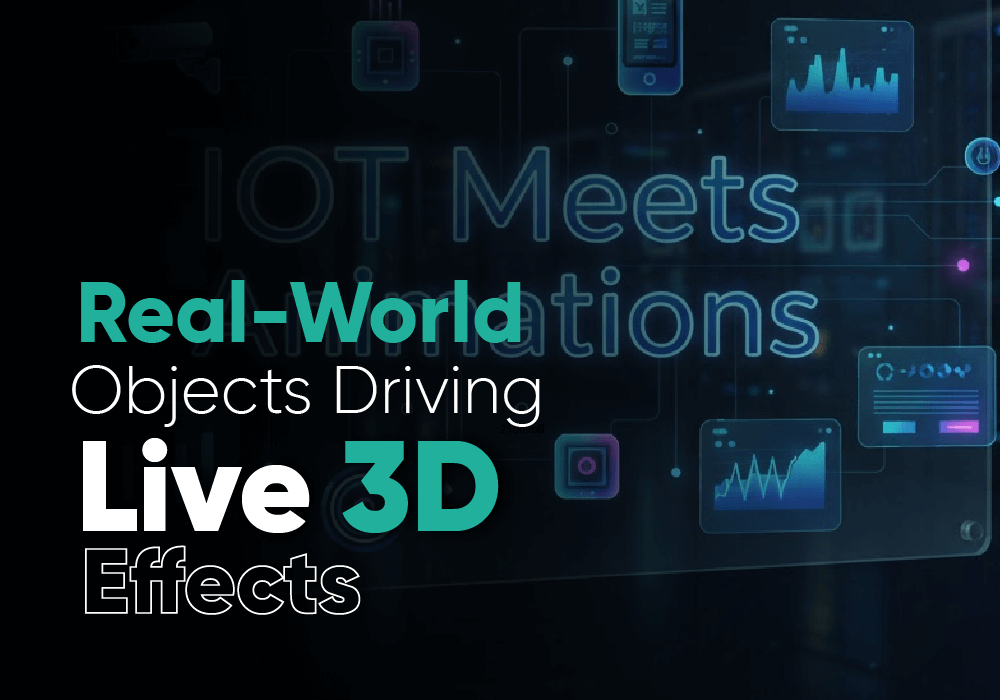
Modern mobile apps are changing from static interfaces to dynamic digital spaces. One of the most interesting things about this change is that IoT animation can now be used with real-time 3D effects. Apps may now respond right away to things that happen in the real world by linking physical devices to animated UI technologies.
This new feature lets things in the real world, such sensors and connected devices, cause visual responses in an app.Whether it’s a smart home system, a wearable system, or an business tracking platform, statistics from sensors can trigger animations that assist humans hold close what is happening in actual time.
Because of this, designing interactive apps is getting smarter, extra immersive, and more in track with the real global.
Getting to Know the Link Between IoT and Animation
The Internet of Things (IoT) is a network of devices that are connected to each different and use sensors to accumulate and percentage statistics. When this sensor statistics is delivered to application interfaces, it is able to offer animations that alternate over time and visual responses that manifest right away.
This approach is often called “IoT animation,” and it lets real-world data influence digital motion in the user interface.
For instance:
- A smart thermostat may make dynamic airflow visualizations appear in a home automation app.
- A fitness tracker that you wear can turn on 3D progress indicators that show you how you’re doing in real time while you work out.
- A logistics sensor can show animated product movement in a warehouse management program.
These visual reactions turn raw sensor data into clear and interesting digital experiences.
The Technology That Makes 3D Effects Possible in Real Time
To make smooth real-time 3D effects, a number of technologies must operate together. Developers use complex frameworks and graphics engines to turn sensor data into interactive visuals.
Some important technologies are:
Sensors for the Internet of Things
Real-world data is collected by devices like motion detectors, GPS modules, and environmental sensors.
Protocols for Real-Time Communication
Technologies like MQTT, WebSockets, and cloud APIs send sensor data to the app right away.
Engines for 3D Rendering
The animations that show up in the app interface are made by platforms like Unity, Unreal Engine, and WebGL.
Systems for Processing Data
These systems read sensor data and decide what animations or modifications to the user interface should happen.
When used together, these parts let apps give users smooth, responsive, and engaging animation experiences.
The Core of Interactive App Design: Sensor-Based UI
Sensor-based UI is one of the most essential new ideas in modern UX. Apps can respond to physical triggers from connected devices instead of just taps and gestures.
A sensor-based UI responds to things like:
- Detecting motion
- Changes in temperature
- Signals for location
- Connecting devices
- Conditions in the environment
This method lets designers make interfaces that work more like living systems than screens that don’t change.
For instance, soil sensors in a smart agricultural app may make animated plant growth indications appear. Sensors on machines might turn on 3D models that depict the operational state of a smart manufacturing dashboard.
These interfaces make complex data easy to understand while boosting usability.
Making the User Experience Better for Connected Devices
As IoT ecosystems get bigger, developers are putting a lot of effort into making connected devices easier to use. Users require clear feedback while dealing with smart devices.
Animation is a very important part of giving such feedback.
Real-time 3D results can display what occurs in the app when a device modifications status. This makes it simpler for human beings to right away recognise what is occurring without having to study complex records or technical measures.
For instance:
- A smart lighting system can show moving light changes in the layout of a home.
- Wearable sensors can make animated heartbeat graphs that a health monitoring app can show.
- Animated 3D models of machines can show what they are doing on industrial monitoring platforms.
These animations make things clearer and make the user experience more fun.
How IoT Animation is Used in Business
The combination of IoT animation and sensor-based UI is already changing a lot of sectors.
Automating Your Smart Home
Smart home apps show lighting, energy utilization, and temperature flow in real time using 3D effects. This helps consumers visualize how their devices interact with the environment.
Health care and wearables
Wearable sensors can connect to healthcare apps that make animated dashboards that indicate heart rate, activity levels, and sleep patterns.
Fun and games
Gaming platforms commonly integrate motion sensors and Internet of Things (IoT) devices to provide animations and 3D effects that respond to how players move.
Smart Warehousing and Logistics
IoT sensors can turn on 3D warehouse visualizations in supply chain systems, which illustrate how products are moving and how inventory is changing in real time.
These examples show that interactive app design is becoming more based on data and immersive.
Things to think about for IoT animation performance
Real-time 3D effects can make users more interested, but they also need to be carefully optimized. Handling sensor data and displaying animations simultaneously might effect performance if not managed appropriately.
These are the strategies that developers usually use:
- Reduce the processing burden by optimizing 3D elements and models.
- Send only the most important sensor data to cut down on latency.
- Use adaptable animation systems that work well with your device.
- Use edge computing or cloud services to process data.
These steps make sure that apps that use the Internet of Things stay smooth, responsive, and scalable.
How IoT Animation Is Changing the Way Interactive Apps Are Made
The use of IoT animation, real-time 3D effects, and sensor-based UI is transforming the way digital experiences are made. Apps can now do more than just work with screens.
Instead, they may respond directly to what’s going on around them.
This change lets developers make apps where what happens in the real world affects what happens in the digital realm. Movement, changes in temperature, or activity on the device can all instantaneously start animated feedback inside the interface.
This method will be very important for the future of connected devices and interactive app design as IoT ecosystems grow.
Frequently Asked Questions (FAQs)
What does IoT animation mean in mobile apps?
IoT animation is when data from IoT sensors or linked devices causes animation or visual effects to happen. These animations help show what happens in the actual world inside an application.
What do real-time 3D effects do to make the user experience better?
When devices or sensors communicate data, real-time 3D effects give you instant visual feedback. This makes programs easier to use, more interesting, and more interactive for users.
What is a UI that uses sensors?
A sensor-based UI is an interface that reacts to things happening in the real environment, like motion, temperature, location, or device activity. These inputs cause the program to change its appearance or play animations.
Where do people usually use IoT animations?
Smart home apps, healthcare monitoring systems, gaming platforms, logistics dashboards, and industrial monitoring tools all make good use of IoT animations.
What makes the UX of linked devices important?
Connected devices UX makes sure that people can easily utilize smart gadgets and understand how they work. These interactions are easier to understand and use because of visual animations and feedback in real time.