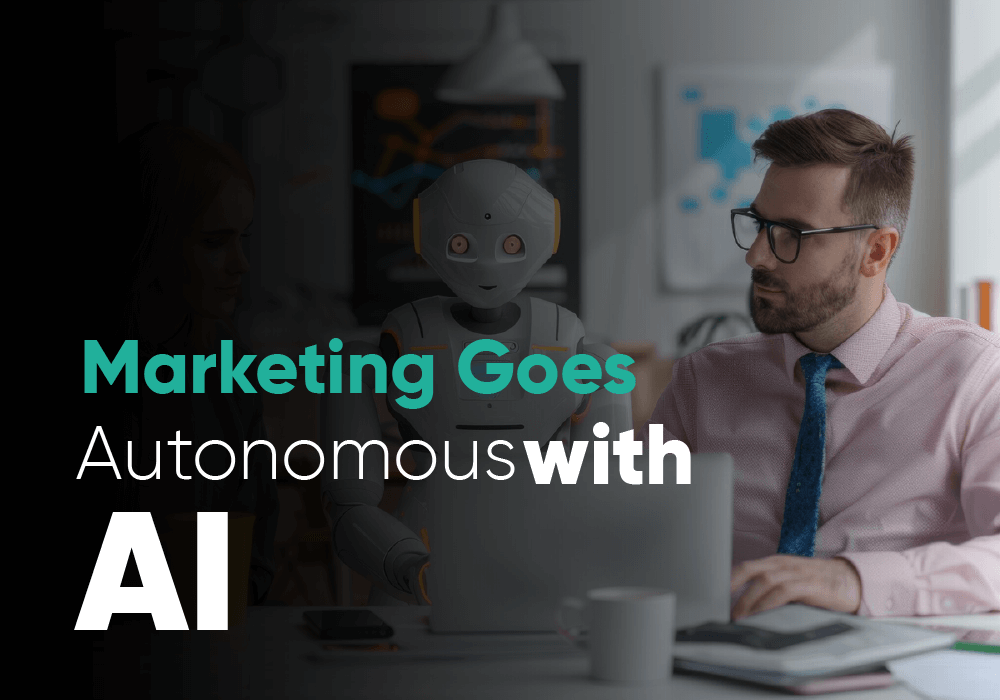
AI Agents in Marketing are smart systems that can plan, run, test, and improve campaigns with less human input. They do not just follow fixed rules like old automation tools. They study data, make choices, take action, and learn from results. This shift will not remove marketers overnight. It will replace slow manual tasks, so marketers can focus on strategy, brand trust, customer insight, and creative direction.
Google’s current guidance still rewards helpful, reliable, people-first content, not content made only to game rankings. That means AI-led campaigns need real human review, clear value, and strong trust signals.
The Old Campaign Model Is Too Slow
For years, marketing teams have worked in a fixed pattern. First, they research the audience. Then they write copy, design ads, set budgets, launch campaigns, check reports, and make changes. This works, but it burns time.
A small team may spend days building one campaign. By the time the report is ready, customer behavior may already have changed. Search trends move fast. Social platforms shift daily. Buyers compare more options before they act.
This is where AI Agents in Marketing create a real change. Instead of waiting for a person to check every small detail, agents can watch campaign data all day. They can spot weak ads, move budget, suggest new angles, and create test versions faster than a human team working alone.
What Makes AI Agents Different From Basic Automation?
Basic automation follows instructions. For example, “send this email when someone fills out a form.” That is useful, but it is limited.
AI agents work more like task-focused assistants. Give them a goal, data access, rules, and tools. Then they can decide the next step. A content agent may find topic gaps, draft outlines, suggest FAQs, and check whether the page answers search intent. A paid ads agent may compare cost per lead, pause low-performing ads, and test new audience groups.
The big difference is decision-making. Old automation waits for a trigger. AI agents can read the situation and act within approved limits.
How Autonomous Campaigns Will Work
An autonomous campaign starts with a human goal. For example: “Get 300 demo bookings from SaaS founders in 60 days.” The agent then breaks that goal into smaller tasks.
It may build audience groups, check search demand, create landing page copy, draft ads, plan email flows, write social posts, and set up tracking. Once the campaign goes live, it keeps learning. If one message gets better leads, the agent pushes more budget toward it. If a landing page has weak conversions, it tests a new headline.
McKinsey has reported that generative AI can create value across marketing and sales through use cases like content creation, customer interaction, and productivity gains. It also estimates that a large share of gen AI’s value sits in areas such as customer operations, marketing and sales, software engineering, and R&D.
The Manual Tasks AI Agents Will Replace First
AI Agents in Marketing will first replace repeatable work, not high-level thinking.
They will take over tasks like keyword grouping, competitor content checks, ad variation writing, email subject line testing, lead scoring, report building, and campaign pacing. They will also help with content refreshes by finding outdated claims, missing FAQs, thin sections, and weak internal links.
This does not mean every output should go live without review. Google’s AI content guidance says generative AI can help with research and structure, but mass-producing pages without added value can violate spam policies. Accuracy, quality, and relevance still matter.
What Marketers Will Still Control
Good marketers will become campaign directors. They will set the goal, audience, offer, brand voice, risk limits, and success metrics.
A human still needs to answer questions an agent cannot fully judge. Does this claim match the brand promise? Is this offer fair? Does this message build trust? Could this campaign damage long-term customer loyalty for a short-term click?
That human layer is the difference between smart automation and noisy AI spam.
AEO: Why AI Agents Must Answer Real Questions
Answer Engine Optimization is now part of modern SEO. People do not only search with short keywords. They ask full questions like, “How can AI agents improve email campaigns?” or “Will AI replace marketing managers?”
Google says its AI features use the same core SEO best practices as Search, and there are no special extra requirements for AI Overviews or AI Mode. Pages still need to be crawlable, helpful, clear, and supported by useful text, images, videos, and structured data where suitable.
So, autonomous campaigns should not only chase rankings. They should answer buyer questions in simple words. That means clear definitions, short answer blocks, comparison tables, FAQs, and expert-backed examples.
The Trust Layer AI Cannot Fake
Experience, expertise, authoritativeness, and trust are now harder to fake because AI can write average content quickly. The brands that win will add what AI alone cannot provide: real examples, customer data, expert review, case studies, product screenshots, original tests, and honest limits.
For AI Agents in Marketing, EEAT should be built into the workflow. Every agent-made campaign should include source checks, fact review, claim approval, brand review, and performance notes. If an agent writes a blog, a human expert should add real insight before publishing.
Risks of Fully Autonomous Marketing
Autonomous campaigns can go wrong when teams give agents too much freedom too soon. An agent may over-optimize for clicks and ignore lead quality. It may create similar content across many pages. It may make claims that sound strong but lack proof.
Recent research on agentic AI systems also notes that the AI agent market is growing fast, but safety details and transparency differ across developers. That means businesses should set guardrails before handing agents control over budgets, customer data, or public messaging.
How to Prepare Your Team Now
Start small. Use agents for research, briefs, reports, ad testing, and content updates first. Keep humans in charge of strategy, approvals, and brand voice.
Create a simple rulebook. Define what agents can do alone, what needs review, and what they cannot touch. Connect your CRM, analytics, ad data, and content tools carefully. Poor data creates poor decisions.
The best use of AI Agents in Marketing is not “set and forget.” It is “set the goal, guide the system, review the work, and improve the process.”
Final Thoughts
Autonomous campaigns will replace much of the manual work that slows teams down. They will write first drafts, test ads, scan reports, group audiences, and suggest next steps. But they will not replace clear strategy, customer empathy, or brand trust.
The future belongs to marketers who know how to manage AI agents, not fear them. Use them to move faster, but keep people at the center. That is also the safest way to follow Google’s people-first content direction and build campaigns that rank, convert, and earn trust.
FAQs
What are AI agents in marketing?
AI agents in marketing are smart tools that can plan, run, test, and improve marketing tasks with limited human input. They use data, goals, and connected tools to make campaign decisions.
Will AI agents replace marketers?
AI agents will replace many manual marketing tasks, but they will not fully replace marketers. Humans still need to guide strategy, approve claims, protect brand voice, and understand customer emotion.
How are autonomous campaigns different from automation?
Automation follows fixed rules. Autonomous campaigns can adjust based on real-time data. They can test, learn, and suggest new actions instead of only waiting for preset triggers.
Are AI-written marketing campaigns safe for SEO?
They can be safe when they are helpful, accurate, reviewed by humans, and made for users. Google warns against using AI to create large amounts of low-value content only for search rankings.
What is the first AI agent a business should use?
Start with a reporting or research agent. It has lower risk and saves time quickly. Once your team trusts the workflow, move into content planning, email testing, and ad optimization.