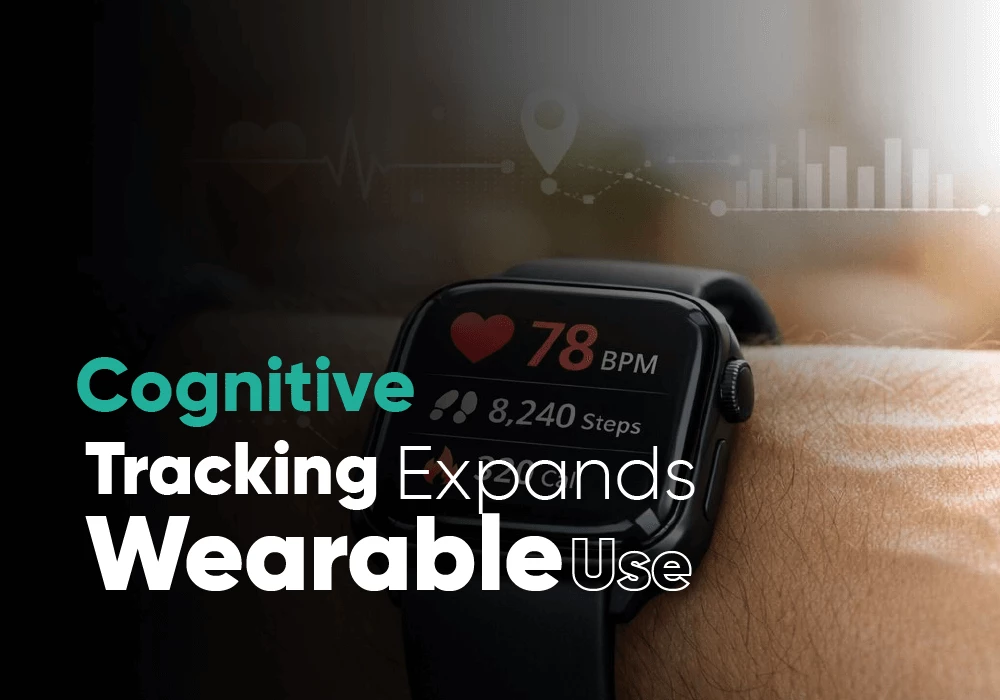
Wearables aren’t just pedometers or fitness bands. A few years ago, most humans used smartphones to adjust their coronary recharge, calories, sleep, and daily interest. Today, the industry is getting much better at something terrible: cognitive surveillance.
Cognitive monitoring wearables are designed to capture intellectual states, attention, pressure patterns, fatigue, focus, or even mindful alert This add-on enhances wearable use cases in health and wellness healthcare, workplace protection, productivity, gaming, interaction, and mindfulness
Google’s current content guidelines have useful, trustworthy, human-first content, not keyword stuffing or seeking engine-first writing. Similarly, this website is written to provide a clear explanation of the topic, answer real user questions, and use keywords clearly.
What Is Cognitive Tracking in Wearables?
Cognitive tracking is the process of measuring signals linked to brain activity, mental workload, focus, stress, alertness, and emotional response. Instead of only tracking physical health, these devices try to understand how the user is thinking, feeling, and reacting.
This can include data from heart rate variability, skin temperature, eye movement, sleep patterns, EEG sensors, facial signals, breathing patterns, and other biometric inputs. Many modern wearable systems now combine AI and machine learning with biometric sensors to monitor health and mental-state patterns more intelligently.
In simple words, cognitive tracking wearables help answer questions like:
- Am I focused right now?
- Am I mentally tired?
- Is my stress level rising?
- Is my body showing signs of burnout?
- Can a device adapt based on my mental state?
This is where wearable technology becomes much more personal and useful.
Why Cognitive Tracking Wearables Are Becoming Important
Now, people are counting on technology to feel smarter, more human, and extra responsive. A smartphone that shows the most convenient number is useful, but a wearable that knows the context is something far extra effective.
For example, a simple wearable can additionally tell you that your heart is worth too much. But a smart wearable can combine that information with sleep, pressure, workload, and self-care to figure out why the body reacts the way it does.
This is especially valuable because brainstorming and pressure aren’t constantly visible. A person may additionally feel “good” and still show signs of negative therapy, decreased recognition, or cognitive overload. Cognitive tracking can help users become aware of those patterns in advance.
This no longer suggests that wearables can replace docs or mental fitness experts. But they could facilitate greater cognition, slower exercise, and earlier conversations about health.
Biometric UX: Making Wearables More Personal
Biometric UX is one of the biggest reasons cognitive tracking is expanding wearable use cases. UX means user experience, and biometric UX means the device experience changes based on the user’s body and behavior.
For example, if a wearable detects stress, it may suggest a breathing session. If it notices poor sleep and low focus, it may recommend lighter work. If it senses fatigue during a workout, it may adjust training intensity.
This creates a more natural experience because the device is not just waiting for commands. It is responding to the user’s physical and mental state.
Good biometric UX should feel helpful, not invasive. The best systems give users control, explain what data is being collected, and avoid making scary or exaggerated claims.
Brain-Computer Interfaces and the Future of Wearables
Brain-computer interfaces, also known as BCIs, are one of the most exciting areas related to cognitive control. A BCI analyzes and interprets brain signals and puts one in mind to talk to the device.
BCIs are already being explored for examples of clinical, accessibility, assistive-time use, including helping humans operate virtual interfaces or robotic systems Research and corporate development in this neighborhood is growing rapidly, especially as wearable sensors and AI fashion extra advanced
Brain-PC interfaces in the future can navigate fingerless device control, neuro-rehabilitation, gaming, oral exchange devices, and adaptive virtual environments.
For regular users, this doesn’t mean that every person will soon have a brain analysis headset. The more intelligent near-term future is softer: wearables that detect more attention, fatigue, and pressure than today’s devices
New Use Cases for Intelligent Wearable Technology
Cognitive monitoring opens the door to many new wearable applications.
Healthcare apparel can also help indicate stress, sleep comfort, anxiety style, and recovery indicators. This can help with preventive care and long-term health monitoring.
Cognitive monitoring wearables in offices may also help mediate fatigue in caregiver-tactile responsibilities. For example, drivers, pilots, humans in manufacturing plants, and fitness experts can benefit from vigilant monitoring.
The games allow players to use cognitive facts about song focus, recovery, stress response, and conventional performance preparation.
Cognitive control in training and education as well as helping to optimize knowledge by helping someone recognize if they are overweighting or giving up on interests.
Biometric UX stories in gaming and digital facts will likewise be discussed. You can change the difficulty or the environment depending on the pressure or cognition level of the player.
In accessibility, thoughtful laptop interfaces and cognitive wearables can help humans with delay interact with devices in new strategies.
Privacy and Trust Matter More Than Ever
As wearables get smarter, privacy becomes even more important. Cognitive statistics are poignant because they are able to examine pressure gaps, emotional patterns, fatigue, attention, and behavioral trends.
Consumers want to know what data is being collected, how miles are being collected, who can access it, and whether or not it’s for advertising, workplace tracking, or 0.33-birthday sharing
An honest wearable image really needs to give an explanation of its statistical coverage, control users and keep cognitive control away from being tracked
It is also important to find the engine market and materials and materials. Google’s people-first signals encourage content that is useful, clear, and engaging, especially when topics affect health, price range, safety, privacy, or completeness
Challenges Holding Cognitive Wearables Back
Even though the technology is growing, there are still challenges.
Accuracy is one major issue. Mental states are complex, and no wearable can perfectly understand what a person is thinking or feeling.
Comfort is another challenge. Users do not want bulky devices, especially if they need to wear them all day.
Battery life, sensor quality, cost, and data security also matter.
Another concern is over-reliance. A wearable can provide useful signals, but users should not treat every alert as a medical diagnosis. The best approach is to use cognitive tracking as guidance, not absolute truth.
The Future of Cognitive Tracking Wearables
The future of cognitive tracking wearables looks practical, personal, and adaptive. Instead of simply showing charts, wearable devices will become digital companions that help users understand their body and mind together.
We may see smarter earbuds, rings, glasses, watches, headbands, and clothing-based sensors. These devices could support better focus, safer work, healthier sleep, improved training, and more accessible digital control.
The real value of intelligent wearable technology will not come from collecting more data. It will come from turning that data into simple, useful, and respectful guidance.
Cognitive tracking is expanding wearable use cases because it connects physical signals with mental context. That is what makes the next generation of wearables more human.
FAQs
What are cognitive tracking wearables?
Cognitive tracking wearables are devices that monitor signals related to focus, stress, fatigue, alertness, sleep, and mental workload. They use biometric data to help users better understand their mental and physical state.
How is cognitive tracking different from normal fitness tracking?
Normal fitness tracking usually focuses on steps, calories, heart rate, and workouts. Cognitive tracking goes further by analyzing mental effort, stress patterns, attention, and recovery signals.
What is biometric UX?
Biometric UX means a device changes or improves the user experience based on body data. For example, a wearable may suggest rest, breathing exercises, or focus support based on stress or fatigue signals.
Are brain-computer interfaces part of wearable technology?
Yes, brain-computer interfaces are connected to advanced wearable technology. Some BCIs use sensors to detect brain signals and allow users to interact with digital systems in new ways.
Are cognitive tracking wearables safe?
Most consumer wearables are designed for general wellness tracking, but users should understand privacy settings and avoid treating wearable data as a medical diagnosis. For medical concerns, professional advice is always important.
Why are cognitive tracking wearables important for the future?
They help wearables move beyond fitness tracking into healthcare, productivity, safety, accessibility, gaming, and personalized digital experiences. This makes wearable technology smarter and more useful in everyday life.